
Websites and marketplaces that support the transaction
A service website needs to get the right enquiry to the right person. A marketplace must also recruit sellers, match buyers to offers and resolve problems between them. We design the customer journey alongside the work your team will do behind it.
Discuss a website or marketplace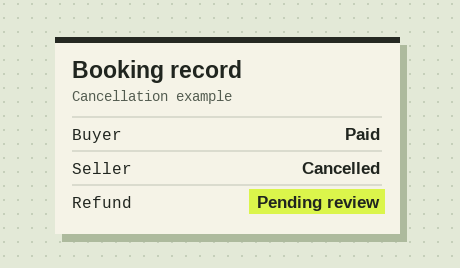
Service websites and ecommerce
We organise services around what customers ask before buying, then design the route to an enquiry, booking or checkout. Catalogue imports, CRM connections and order updates can be included where your staff would otherwise move the information by hand.
CRM automationWhat makes a marketplace different?
Each transaction has more than one owner. We map seller onboarding, listings, availability, commissions, payment status and disputes. Before launch, test what happens when a seller declines a booking or a buyer requests a refund.
What belongs in the first release?
Choose one buyer journey and one seller journey. A booking marketplace might begin with profile selection, a service request and seller confirmation. These steps reveal what the operator needs in its administration tools.
Client portals and SaaS
Design the operator’s view early
A buyer pays for a booking and the seller then cancels. What does the buyer see, who can authorise a refund and how does the operator tell whether it completed? Sketch these screens alongside the public listing. They determine what information your support team needs and whether finance can reconcile a disputed transaction later.
Moving an existing website or shop
Keep a list of pages that bring enquiries, product links customers have saved and forms used by sales. Map each important old address to its successor. Before launch, place a test order or submit a test enquiry using the new website. Check that the customer receives confirmation, the correct record reaches the destination system and staff can recognise the source. This tests the business journey as well as the design.
SEO and answer engine optimisation